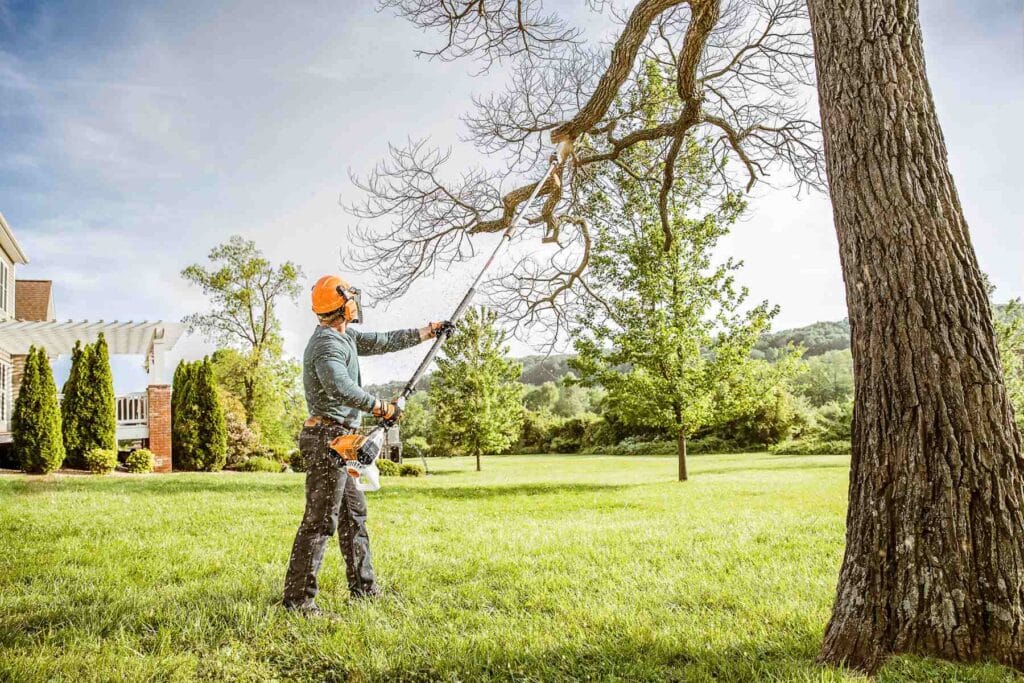
Pruning timing depends on the tree’s species, its condition and the reason for the cut.
The best time to trim trees in Frisco TX depends on species, purpose and current condition. For many shade trees, late winter—while growth is slow and branch structure is visible—is a practical time for planned work. Oaks are the major exception: Texas A&M Forest Service advises avoiding oak wounds from February through June to reduce oak-wilt risk. Dead or dangerous limbs should be assessed promptly in any season.
North Texas weather moves from freezing winter nights to hot, dry summers, so a calendar date alone is not a pruning plan. For many deciduous trees, dormant-season pruning can make it easier to see the branch framework and schedule structural work before spring growth. But do not apply that rule to oaks in the February–June oak-wilt window. Spring-flowering trees also need a different schedule if you want to preserve their next bloom.
Think about the goal first. Removing deadwood, correcting a rubbing branch, raising a canopy over a walkway and reducing a hazardous overhang are different jobs. A limited cut for safety may be appropriate right away, while elective shaping can usually wait for a species-appropriate window and better weather. Avoid heavy pruning when a tree is already stressed by drought, heat, recent freezes or construction damage.
What is the best time of year to trim trees in Frisco?
For most non-oak shade trees, late winter is a useful time to review structure and make planned cuts. It is not a universal rule: flowering trees are often pruned after bloom, conifers and fruit trees may have their own needs, and storm damage can require an immediate response. The season-by-season guide below is a starting point for deciding when to schedule an inspection.
Tree trimming in Frisco: a season-by-season guide
Winter: generally best for routine pruning
Many deciduous trees are dormant, making it easier to see branch structure and plan careful cuts with less disruption to active growth.
Spring: be careful with new growth
Prune spring bloomers after flowers fade. Focus on light, selective work; avoid planned oak pruning during the oak-wilt window.
Summer: focus on safety and tree health
Use selective cuts for dead or hazardous branches. Avoid major reductions during extreme heat or drought stress.
Fall: inspect and prepare
Look for damage and structural issues, then plan extensive pruning for the appropriate seasonal window.
Seasonal tree trimming summary
| Season | Trimming recommendation | Key benefit |
|---|---|---|
| Winter | Best time for routine pruning of many deciduous trees | Clearer structure and less disruption to active growth |
| Spring | Light, selective pruning; flower after bloom | Preserve blossoms and respond to new damage |
| Summer | Trim only as needed for safety or health | Remove hazards while limiting stress |
| Fall | Inspect and plan for the dormant season | Identify issues and prepare for winter work |
When should you trim oak trees in Frisco, TX?
Oaks require special care because oak wilt can spread through fresh wounds. Texas A&M Forest Service recommends avoiding pruning or wounding oaks from February through June. The guidance applies to live oaks and red oaks as well as other oak species; red oaks are especially susceptible, while no oak is completely immune.
For planned work, schedule oak pruning between July and January when practical, and avoid cutting during severe weather or when a tree is already under stress. Texas A&M Forest Service also advises painting oak wounds immediately, regardless of season, to create a physical barrier. That includes accidental wounds from lawn equipment or storm damage. Keep mowers and string trimmers away from trunks, and arrange prompt professional help for a large broken limb.
Watch for unusual leaf symptoms rather than assuming every change is oak wilt. Live oak leaves may show yellow or brown veins; red oak foliage can turn brown or red during the growing season. Symptoms can resemble other problems, so seek a qualified diagnosis before removing a tree or treating it. See Texas A&M Forest Service oak-wilt prevention guidance for current precautions.
When to prune common Frisco tree species
These are general planning windows, not a substitute for identifying a tree and assessing its condition. Local weather, recent stress and the purpose of the cut can change the recommendation. If you are unsure of the species, get an assessment before making large cuts.
| Tree type | General timing | Frisco-specific note |
|---|---|---|
| Live oak and red oak | July through January for planned pruning | Avoid all pruning or wounding February–June; paint wounds immediately year-round. |
| Pecan | Late dormant season, before spring growth begins | Use selective cuts for structure; reconsider elective work during severe heat or drought. |
| Crape myrtle | Late winter before new growth | Remove dead, crossing or poorly placed branches; do not top or severely cut back the crown. |
| Redbud and spring bloomers | After flowers fade, if a cut is needed | Pruning earlier can remove buds and reduce the coming bloom. |
| Elms and other shade trees | Often dormant-season work for planned structural cuts | Confirm the exact species and any local pest or disease timing before pruning. |
Signs your tree may need trimming sooner
Do not wait for the ideal season when a tree presents a credible safety risk. Request an assessment if you see:
- A broken or hanging limb, especially above a roof, driveway, play area or walkway.
- A fresh split, crack or sudden lean in the trunk or a major branch after wind or ice.
- Dead limbs large enough to damage people or property if they fall.
- Branches rubbing against a roof, blocking a driver’s view or interfering with a pedestrian path.
- A branch tangled with an overhead power line. Do not climb or cut it; contact the electric utility.
- Rapid leaf discoloration, dieback or unusual symptoms that could point to a pest or disease.
Keep people away from a suspended limb or unstable tree until it has been checked. Do not try to control a large limb with a ladder, rope or chainsaw. A professional can determine whether careful pruning will address the risk or whether the tree’s condition requires a different solution. If a tree is dead, split or too compromised to retain safely, ask whether tree removal is more appropriate than repeated pruning.
Why professional pruning matters
Good pruning is selective: it preserves a sound branch framework, removes the right limbs and avoids needless canopy loss. A trained crew can evaluate the branch collar, make appropriate cuts, manage heavy limbs without tearing bark and keep people and structures clear of falling wood. This is especially important on mature Frisco trees, where a cut from the ground may not show what is happening higher in the canopy.
Ask what the crew intends to remove and why. A sound plan should focus on a clear objective—such as deadwood removal, clearance or structural correction—rather than promising to make a tree smaller by cutting back every branch. Avoid topping, indiscriminate lion-tailing and flush cuts that damage the trunk or leave large wounds. A professional should also consider oak-wilt precautions, weather, access and nearby utilities before work begins.
Erik’s team provides local tree pruning guidance and care for homeowners who want an informed plan rather than guesswork. If pruning exposes a need to replace a tree, consider the right species and location before planting; see the company’s tree planting information.
How often should trees be trimmed?
There is no one schedule that fits every tree. A newly planted tree may benefit from occasional structural corrections as it establishes, while a healthy mature tree may need only periodic maintenance. Many established shade trees can go several years between planned pruning visits, but fast growth, storm exposure, deadwood, branch conflicts or a prior poor cut may make an earlier check appropriate. Use the condition and the goal—not a recurring sales calendar—to decide.
Walk your property at least once a year and look for changes: new cracks, hanging limbs, branches approaching the house, dead areas in the canopy or roots disturbed by construction. Inspect again after a major storm. Have large, high or potentially hazardous branches assessed by a professional. Regular observation helps identify small concerns early, but it does not mean every tree needs annual cutting. When a tree is healthy and well placed, leaving it alone is often the right choice.
Frequently asked questions
What is the best month to trim trees in Frisco?
For many deciduous trees, a dormant-season window in late winter works well for planned structural pruning. Oaks are different: avoid pruning or wounding them February through June to reduce oak-wilt risk. Species and purpose matter, so there is no single best month for every tree.
Can I trim an oak tree in spring if it has a dangerous branch?
Do not attempt the work yourself. Texas A&M Forest Service recommends avoiding oak wounds from February through June, but an actively dangerous limb still needs prompt attention. Keep people away and contact a tree professional who can assess safe options and oak-wound precautions.
Is fall a bad time to prune trees in North Texas?
Fall is not automatically wrong for every species or every cut. It is a useful time to inspect and plan, while heavy or cosmetic work should be timed for the tree’s needs. Avoid unnecessary pruning when a tree is stressed, and follow the stricter seasonal guidance for oaks.
How often should a mature tree be pruned?
It depends on species, health, age, growth and location. A mature, healthy tree may only need a maintenance visit every few years, while a damaged tree may need attention sooner. Annual visual inspections are useful; annual pruning is not automatically necessary.
Should I paint a tree wound after pruning?
For oaks in Texas, Texas A&M Forest Service advises painting wounds immediately, at any time of year, to help prevent oak wilt. For other species, wound dressing is generally not a substitute for proper cuts. If an oak is wounded accidentally, contact a tree professional promptly.
Plan the right trim for your Frisco trees
The right timing starts with the right diagnosis. If you have a broken limb, an oak-wilt question or a tree that needs a careful pruning plan, talk with Erik’s Tree & Lawn Care Services. Explore the full range of tree and outdoor services or call (469) 919-4776 to request an estimate.
Request a tree-care estimate